
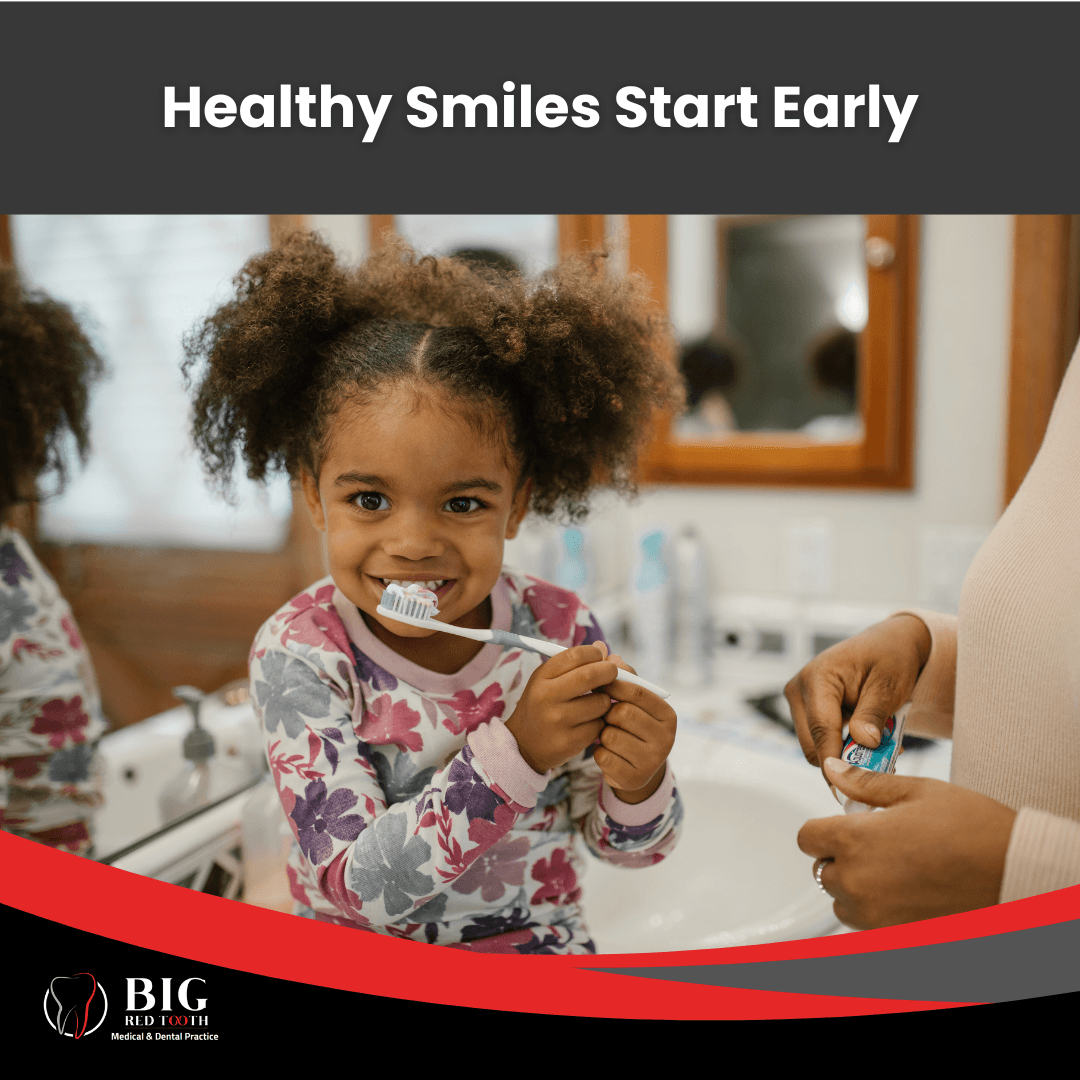
Many parents think that because baby teeth eventually fall out, they are not as important as permanent teeth. In reality, these first teeth play a vital role in a child’s growth, development, and long-term oral health. Looking after baby teeth from an early age helps children eat comfortably, speak clearly, and develop healthy habits that can last a lifetime.
Healthy baby teeth also support a child’s confidence. A pain-free smile makes it easier to enjoy meals, interact with friends, and participate in everyday activities without discomfort. By understanding the importance of these first teeth, parents can make informed decisions that protect their child’s oral health from the very beginning.
The Important Role of Baby Teeth
Baby teeth, also known as primary teeth, begin appearing from around six months of age and continue developing until approximately three years old. Although they are temporary, they perform several essential functions that influence a child’s overall development.
One of their most important roles is helping children learn to speak clearly. Teeth work together with the tongue and lips to produce many different sounds. Missing or damaged baby teeth can sometimes make pronunciation more difficult during important stages of language development.
Baby teeth also allow children to chew food properly. Good chewing supports healthy digestion and encourages children to enjoy a balanced diet that includes a variety of nutritious foods. If eating becomes painful because of tooth decay or damaged teeth, children may avoid certain foods, which can affect their nutrition.
Another key role is guiding permanent teeth into their correct positions. Each baby tooth acts as a natural placeholder, preserving the space needed for the adult tooth developing beneath it. If a baby tooth is lost too early because of decay or injury, nearby teeth may shift into the empty space. This can make it more difficult for permanent teeth to erupt correctly and may increase the need for orthodontic treatment later.
Healthy baby teeth also contribute to facial development by supporting the natural growth of the jaw and surrounding muscles. This foundation plays an important part in developing a healthy bite as children grow.
Preventing Cavities in Baby Teeth
Tooth decay is one of the most common childhood health conditions, yet it is largely preventable with good oral hygiene and healthy daily habits.
Cavities develop when bacteria in the mouth feed on sugars left behind after eating and drinking. These bacteria produce acids that gradually weaken the tooth enamel, eventually creating holes in the teeth if left untreated.
Parents can significantly reduce the risk of cavities by establishing a consistent oral care routine from an early age. Teeth should be brushed twice a day using a soft toothbrush and an age-appropriate fluoride toothpaste. Young children should always be supervised while brushing to ensure every tooth is cleaned thoroughly.
Limiting sugary snacks and drinks also plays an important role. Frequent exposure to sweets, fruit juices, fizzy drinks, and sticky snacks gives bacteria more opportunities to produce harmful acids. Offering water between meals and encouraging healthy snacks such as fresh fruit, vegetables, cheese, and yoghurt can help protect developing teeth.
Avoiding prolonged exposure to sugary drinks in bottles or sippy cups is especially important for younger children. Sleeping with milk or juice in a bottle can increase the risk of early childhood tooth decay because sugars remain on the teeth for extended periods.
Parents should also watch for early warning signs such as white spots, brown marks, tooth sensitivity, or complaints of pain. Prompt treatment can often prevent small problems from becoming larger ones.
Why Early Dental Visits Make a Difference
Regular dental check-ups are an important part of protecting children’s oral health. The first dental visit should take place by a child’s first birthday or within six months of the first tooth appearing.
These early appointments allow the dental team to monitor healthy development, identify potential concerns early, and provide parents with practical advice on brushing, nutrition, and oral care routines.
At Big Red Tooth, creating a positive experience is just as important as providing excellent clinical care. Children are welcomed into a friendly, supportive environment where appointments are designed to feel relaxed and comfortable. Gentle communication and age-appropriate explanations help children build trust and confidence with the dental team.
Routine visits also allow dentists to monitor how the teeth and jaws are developing as children grow. Small concerns can often be managed before they become more complex, helping children maintain healthy smiles throughout childhood.
For many children, regular check-ups help remove fear and uncertainty. When dental visits become part of a normal healthcare routine, children are more likely to feel comfortable attending appointments as they grow older.
Healthy Smiles Start Early
Baby teeth may only be part of childhood for a few years, but the benefits of caring for them can last a lifetime. They support speech, healthy eating, facial development, and the proper positioning of permanent teeth, while helping children build positive oral health habits from an early age.
With consistent brushing, healthy eating habits, and regular dental check-ups, parents can give their children the best possible start. At Big Red Tooth, we are committed to helping every child enjoy healthy, confident smiles through compassionate care, early prevention, and personalised support for every stage of their dental journey.
At the Big Red Tooth Centre for Advanced Oral Health Excellence, we’re dedicated to creating confident smiles through expert, compassionate care. Founded in 2014 by Dr Ebrahim Boda, our Fourways-based clinic offers comprehensive dental services, from paediatric care and restorative treatments to advanced aesthetic and prosthodontic solutions.
Our team values excellence, integrity, and personalised attention, ensuring every patient receives the highest standard of care in a comfortable environment. Using the latest dental technologies, we tailor every treatment to your unique needs for lasting oral health and natural, beautiful results.
Experience the difference at Big Red Tooth. Where advanced dentistry meets genuine care.
_________________________________________________________________________________________
Frequently Asked Questions About Baby Teeth
1. Why are baby teeth important if they eventually fall out?
Baby teeth, also known as primary teeth, play an essential role in a child’s development. They help children chew food properly, develop clear speech, and maintain the space needed for permanent teeth to grow into the correct position. Healthy baby teeth also support jaw development and contribute to lifelong oral health.
2. At what age should my child first visit the dentist?
Dentists recommend that children have their first dental visit by their first birthday or within six months of their first tooth appearing. Early check-ups allow the dentist to monitor oral development, identify potential problems early, and help parents establish healthy dental care habits.
3. Can baby teeth get cavities?
Yes. Baby teeth are just as susceptible to cavities as adult teeth. Tooth decay develops when bacteria feed on sugars left on the teeth, producing acids that damage the enamel. Regular brushing, limiting sugary snacks and drinks, and routine dental check-ups help reduce the risk of cavities.
4. What happens if a baby tooth is lost too early?
Losing a baby tooth prematurely due to decay or injury can affect the way permanent teeth develop. Nearby teeth may move into the empty space, leaving less room for the adult tooth to erupt correctly. This can increase the likelihood of crowding or the need for orthodontic treatment later.
5. How can parents help prevent tooth decay in young children?
Parents can protect baby teeth by brushing their child’s teeth twice a day with fluoride toothpaste appropriate for their age, supervising brushing, encouraging healthy eating habits, limiting sugary foods and drinks, and scheduling regular dental check-ups.
6. Is it normal for young children to be nervous about visiting the dentist?
Yes. Many children feel uncertain about visiting the dentist for the first time. Choosing a paediatric-friendly dental practice that uses gentle communication and a calm, welcoming approach can help children build confidence and develop positive associations with dental care.
7. How often should children have dental check-ups?
Most children should visit the dentist every six months, although your dentist may recommend a different schedule depending on your child’s individual oral health needs. Regular check-ups allow potential problems to be identified and treated before they become more serious.
8. Why is early dental care important for lifelong oral health?
Early dental care helps establish healthy habits, prevents tooth decay, and allows dentists to monitor the development of your child’s teeth and jaws. Positive experiences from a young age also encourage children to continue caring for their oral health into adulthood, supporting healthy, confident smiles for life.