
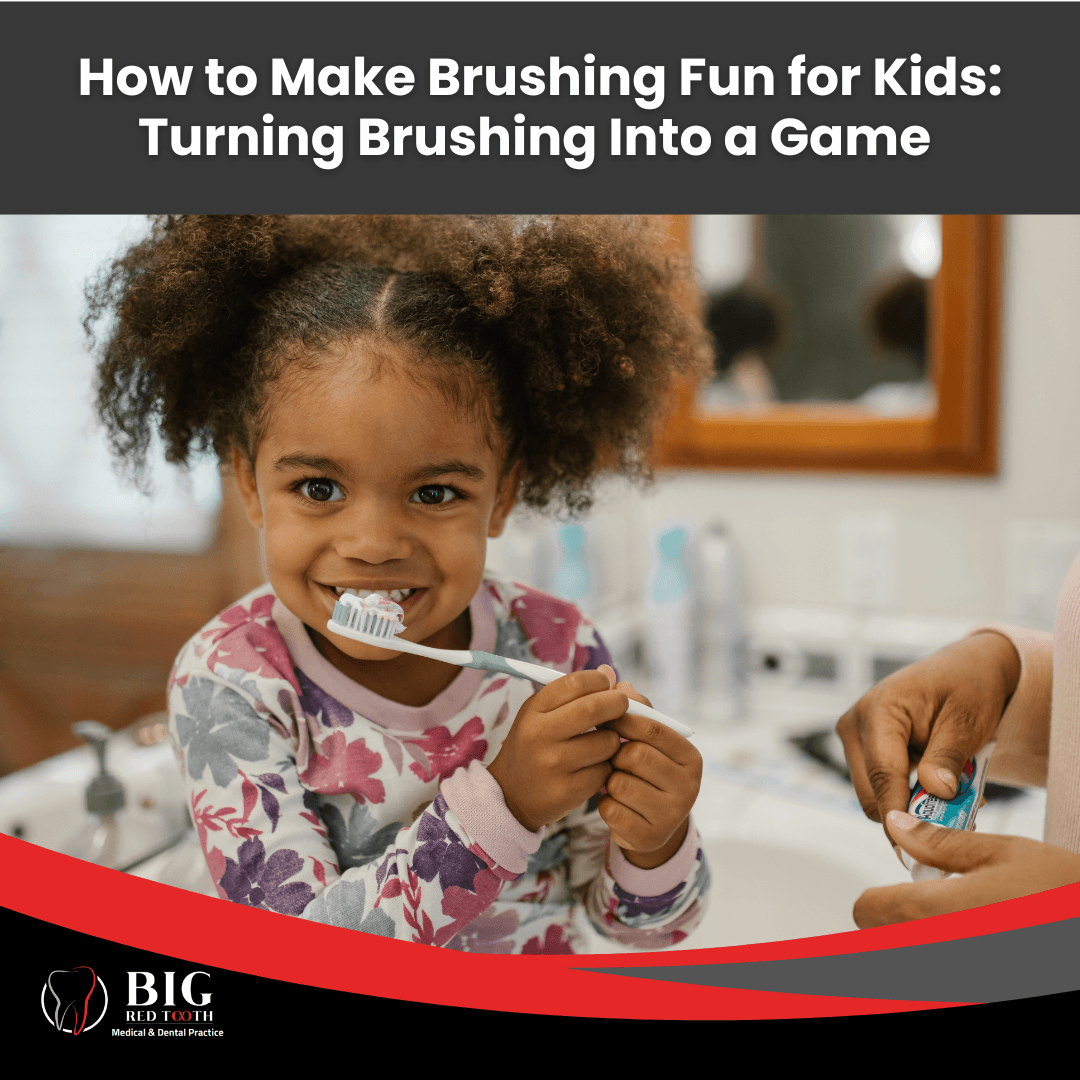
Daily brushing can feel like a struggle for many families. Resistance, distractions, and short attention spans often turn a simple routine into a stressful experience. The good news is that with the right approach, brushing can become something children enjoy rather than avoid. By introducing a few creative techniques and building positive habits early, parents can make oral care both effective and enjoyable.
Turning Brushing Into a Game
One of the most effective ways to encourage children to brush their teeth is to make the experience feel like play rather than a task. Children respond well to games, music, and interactive activities, which can easily be incorporated into their daily routine.
Using a timer can help children understand how long they need to brush. A two-minute sand timer or a fun digital timer gives them a clear goal and a sense of achievement once they finish. Some parents also use music by playing a favourite song that lasts around two minutes, turning brushing time into a mini dance session.
Mobile apps designed for children’s oral care can also be helpful. These often include animated characters, progress tracking, and rewards that motivate children to brush consistently. Visual charts or sticker reward systems can reinforce positive behaviour. For example, each successful brushing session can earn a sticker, leading to a small reward at the end of the week.
Storytelling is another simple technique. Turning brushing into part of a daily story or adventure can capture a child’s imagination and make the routine feel special.
Choosing the Right Toothbrush and Toothpaste
The tools used for brushing play an important role in how children experience oral care. A toothbrush that feels comfortable and appealing can make a big difference in willingness to brush.
For younger children, a soft-bristled toothbrush with a small head is ideal. This ensures gentle cleaning while fitting comfortably in smaller mouths. Bright colours, fun designs, or favourite characters can make the toothbrush more appealing and encourage regular use.
Electric toothbrushes designed for children are also worth considering. Many include built-in timers, gentle vibrations, and engaging features that help guide brushing technique. Some children find these more exciting and easier to use than manual brushes.
Toothpaste selection is equally important. A mild-flavoured toothpaste that is suitable for children can make brushing more pleasant. Strong flavours may discourage younger children, so choosing something they enjoy can improve consistency. It is also important to use the correct amount of toothpaste based on age and to supervise brushing to ensure it is done safely and effectively.
Allowing children to choose their own toothbrush and toothpaste can give them a sense of independence, making them more likely to participate willingly.
Building Consistent Habits That Stick
Consistency is key when it comes to developing healthy brushing habits. Establishing a routine helps children understand that brushing is a normal and expected part of the day.
Brushing should take place at the same times each day, usually in the morning and before bedtime. Linking brushing to existing routines, such as after breakfast or before a bedtime story, can make it easier to remember and follow through.
Parental involvement plays an important role. Young children benefit from supervision and guidance, both to ensure proper technique and to reinforce the importance of oral hygiene. Brushing together as a family can also be encouraging, as children often learn by observing and imitating adults.
Positive reinforcement is more effective than pressure. Praising effort, celebrating progress, and maintaining a calm approach can help build confidence and cooperation. Over time, these small actions contribute to long-term habits that feel natural rather than forced.
Regular dental check-ups also support these routines by reinforcing good habits and providing professional guidance as children grow.
A Routine That Works for the Whole Family
With a few creative strategies and a consistent approach, brushing can become a positive part of your child’s daily routine. Making the experience enjoyable, choosing the right tools, and reinforcing good habits all contribute to better oral health and less stress for parents. Over time, these small changes can turn brushing from a daily challenge into a simple, confident routine that supports a lifetime of healthy smiles.
At the Big Red Tooth Centre for Advanced Oral Health Excellence, we’re dedicated to creating confident smiles through expert, compassionate care. Founded in 2014 by Dr Ebrahim Boda, our Fourways-based clinic offers comprehensive dental services, from paediatric care and restorative treatments to advanced aesthetic and prosthodontic solutions.
Our team values excellence, integrity, and personalised attention, ensuring every patient receives the highest standard of care in a comfortable environment. Using the latest dental technologies, we tailor every treatment to your unique needs for lasting oral health and natural, beautiful results.
Experience the difference at Big Red Tooth. Where advanced dentistry meets genuine care.
__________________________________________________________________________________
Frequently Asked Questions About Tooth Brushing Basics for Kids
1. How can I make brushing teeth fun for kids?
You can make brushing fun by turning it into a game, using timers or music, introducing reward charts, and allowing children to use colourful or character-themed toothbrushes. Interactive apps can also help keep children engaged.
2. At what age should children start brushing their teeth?
Children should begin brushing as soon as their first tooth appears. Parents should assist with brushing until the child develops the coordination to do it effectively on their own.
3. What type of toothbrush is best for children?
A soft-bristled toothbrush with a small head is best for children. Electric toothbrushes designed for kids can also be effective, especially if they include timers and gentle cleaning features.
4. How much toothpaste should a child use?
Young children should use a small, pea-sized amount of toothpaste. For toddlers, an even smaller smear is recommended. Always supervise brushing to ensure safe use.
5. How long should children brush their teeth?
Children should brush for two minutes, twice a day. Using a timer or playing a two-minute song can help them keep track of time.
6. Why do children resist brushing their teeth?
Children may resist brushing due to discomfort, boredom, strong toothpaste flavours, or lack of routine. Making the process fun and consistent can help reduce resistance.
7. Should parents brush their children’s teeth?
Yes, parents should assist or supervise brushing until the child can brush effectively on their own, usually around age six to eight.
8. How can I build a consistent brushing routine for my child?
Establish fixed brushing times, link brushing to daily routines, use positive reinforcement, and lead by example. Consistency and encouragement help build lasting habits.